Beginner guide · 02
Playing
- Players take turns anticlockwise.
- Draw tiles from the wall clockwise.
Who goes first?
East has 14 tiles after the deal, while everyone else has 13. East starts the game by choosing a tile from their hand and placing it face-up in the centre as the first discard.
Which player goes next?
After East discards, South takes the next turn, followed by West, North, and back to East. Player turns always move anticlockwise around the table.
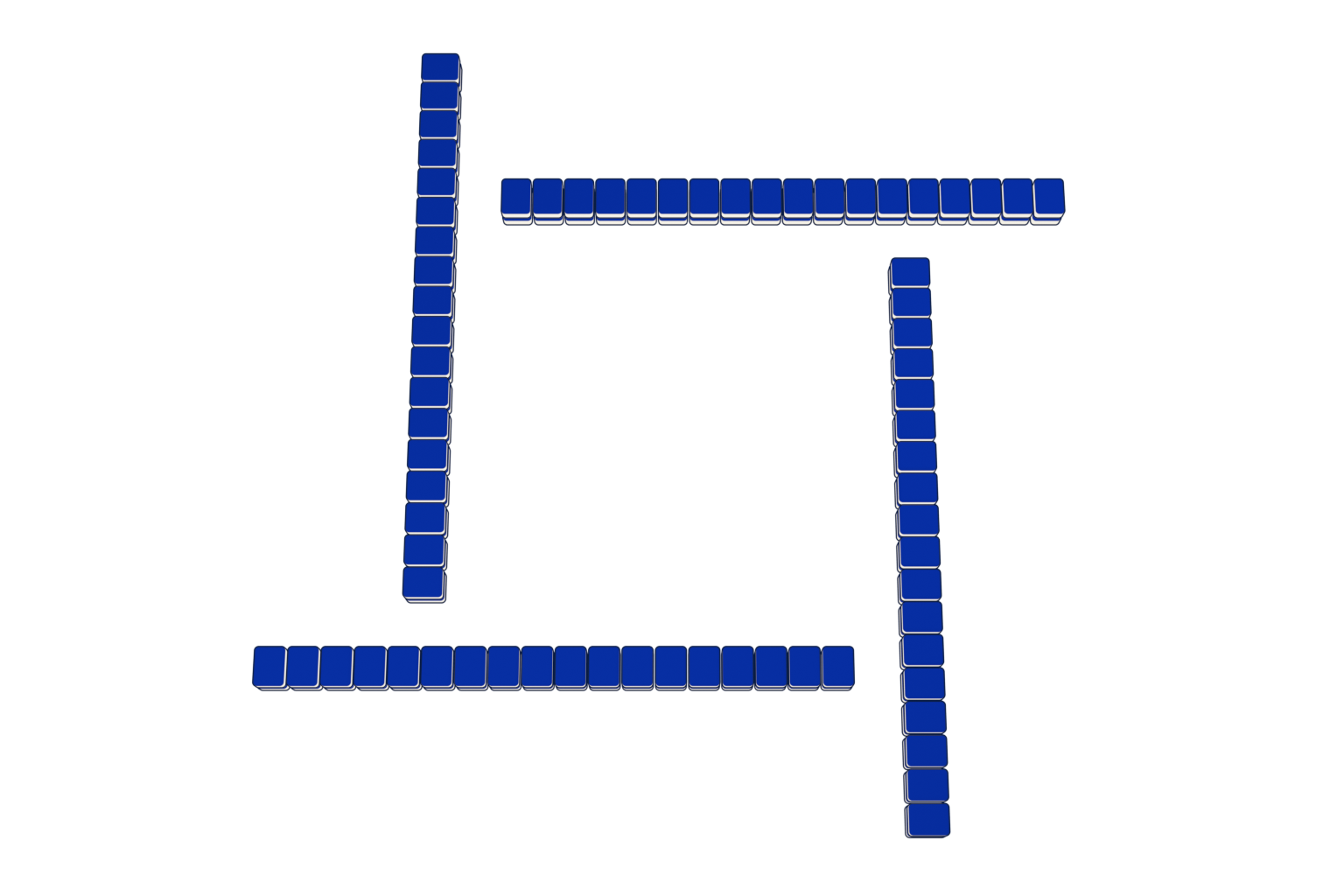
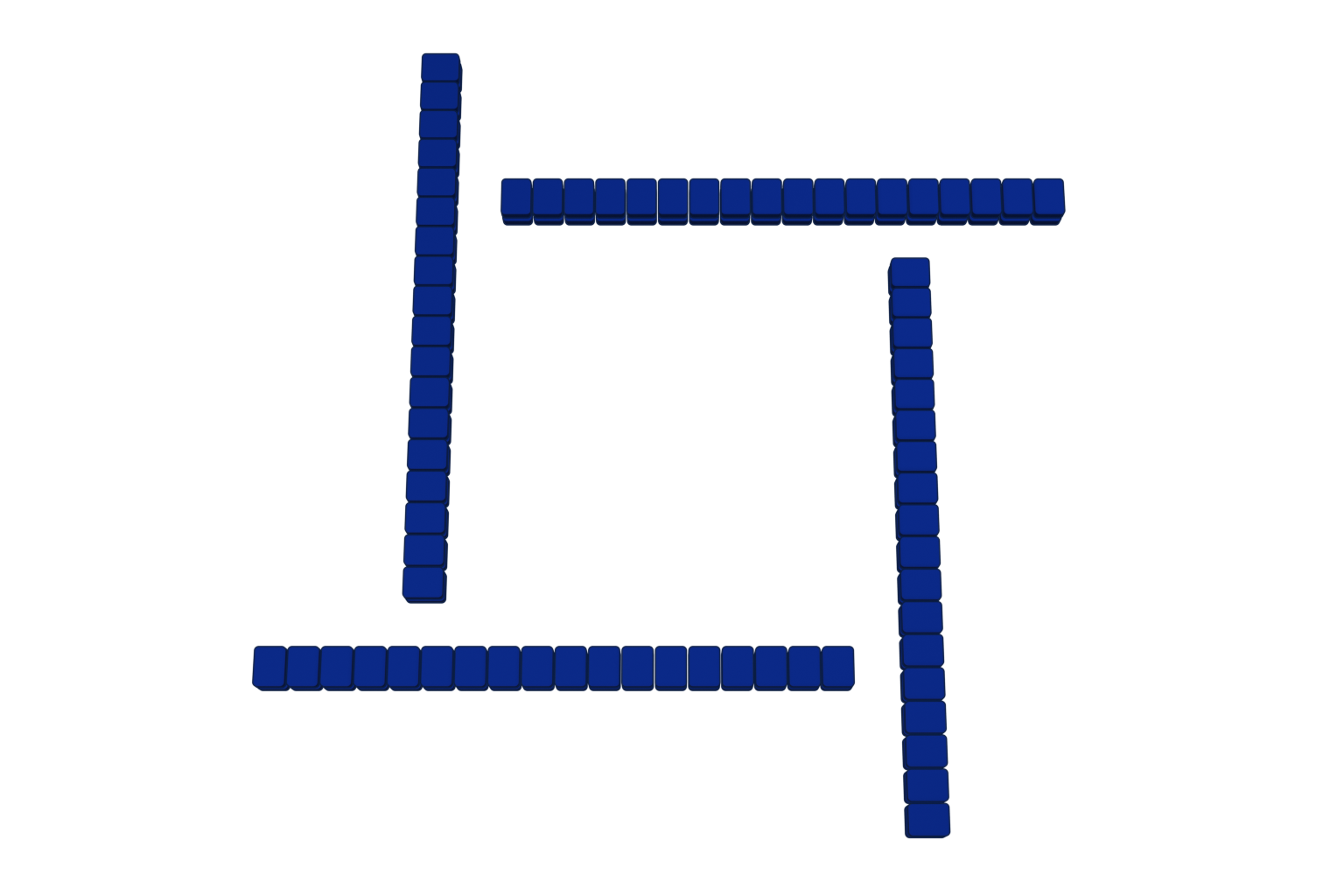
What happens on a normal turn?
- Normally, you start your turn with 13 tiles in your hand.
- Draw one tile from the head of the wall. You now have 14 tiles.
- Choose one tile to discard, returning your hand to 13 tiles. You may discard the same tile you just drew. Place the chosen tile face-up in the centre.
What is a winning hand?
A standard winning hand usually has four groups of three tiles and a pair.
A group of three can be:
- a sequence (Chow) — three consecutive tiles in the same suit
- a triple (Pong) — three matching tiles
A normal winning hand has 14 tiles.
Here is one example: two Chows, two Pongs, and a pair.
Chow
Chow
Pong
Pong
Pair
A Kong is a four-tile group that takes the place of a group of three.
With one Kong, the winning hand has 15 tiles because the Kong replaces one three-tile group with four tiles.
You can have more than one Kong. Each additional Kong adds one more tile, so a hand with two Kongs has 16 tiles.
Here is the same kind of hand with one Pong replaced by a Kong:
Chow
Chow
Pong
Kong · four tiles
Pair
You build towards this hand by drawing tiles and choosing what to discard. Keep tiles that help complete a group or pair; discard tiles that do not fit your hand.
You can complete a group with tiles you draw yourself or by claiming another player’s discarded tile. The aim is simple: complete a legal hand and win.
Which way do we take tiles from the wall?
Continue drawing tiles in the same clockwise direction used during the deal, starting at the open wall head (where dealing finished).
Tiles are dealt and drawn clockwise. Players take turns anticlockwise.
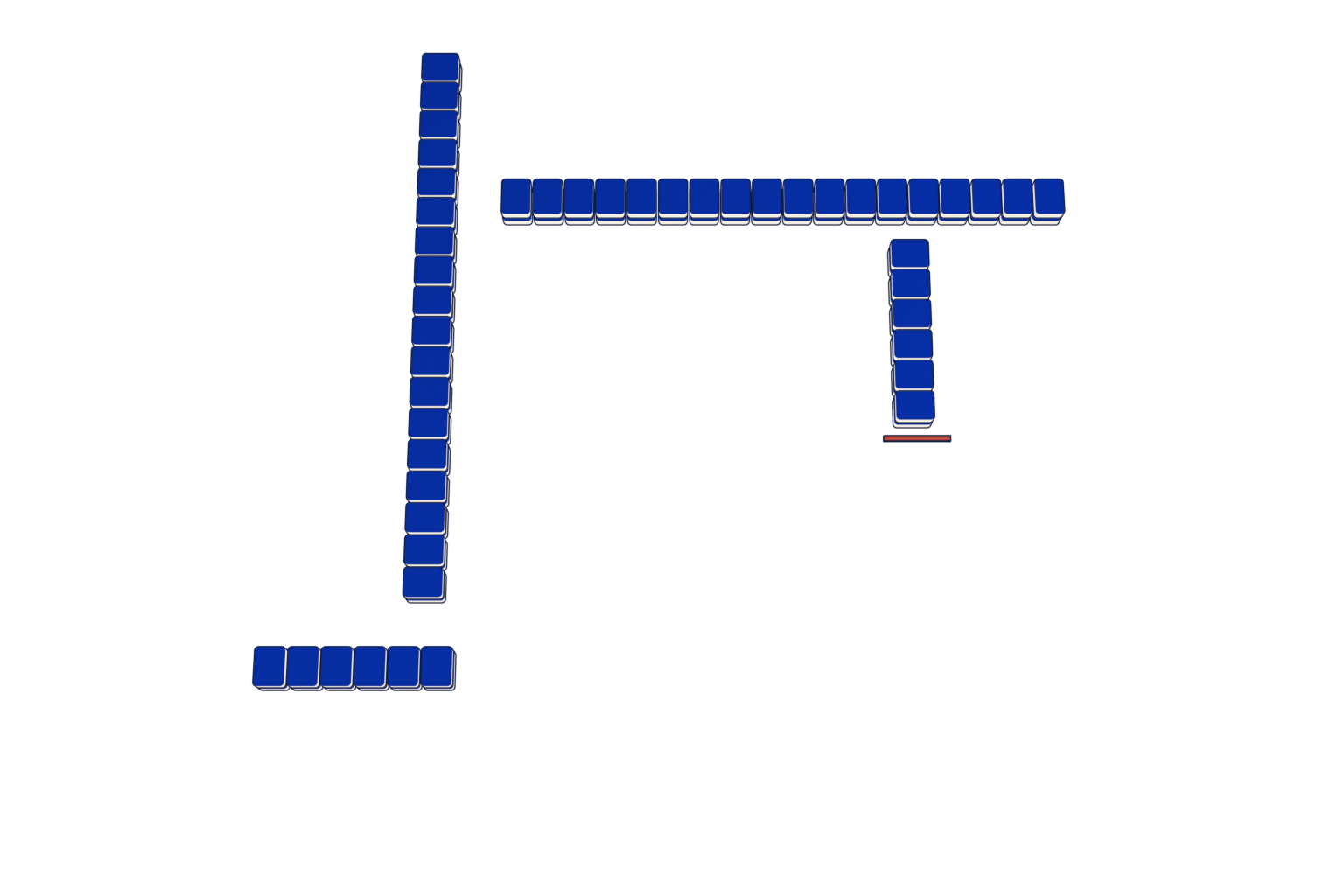
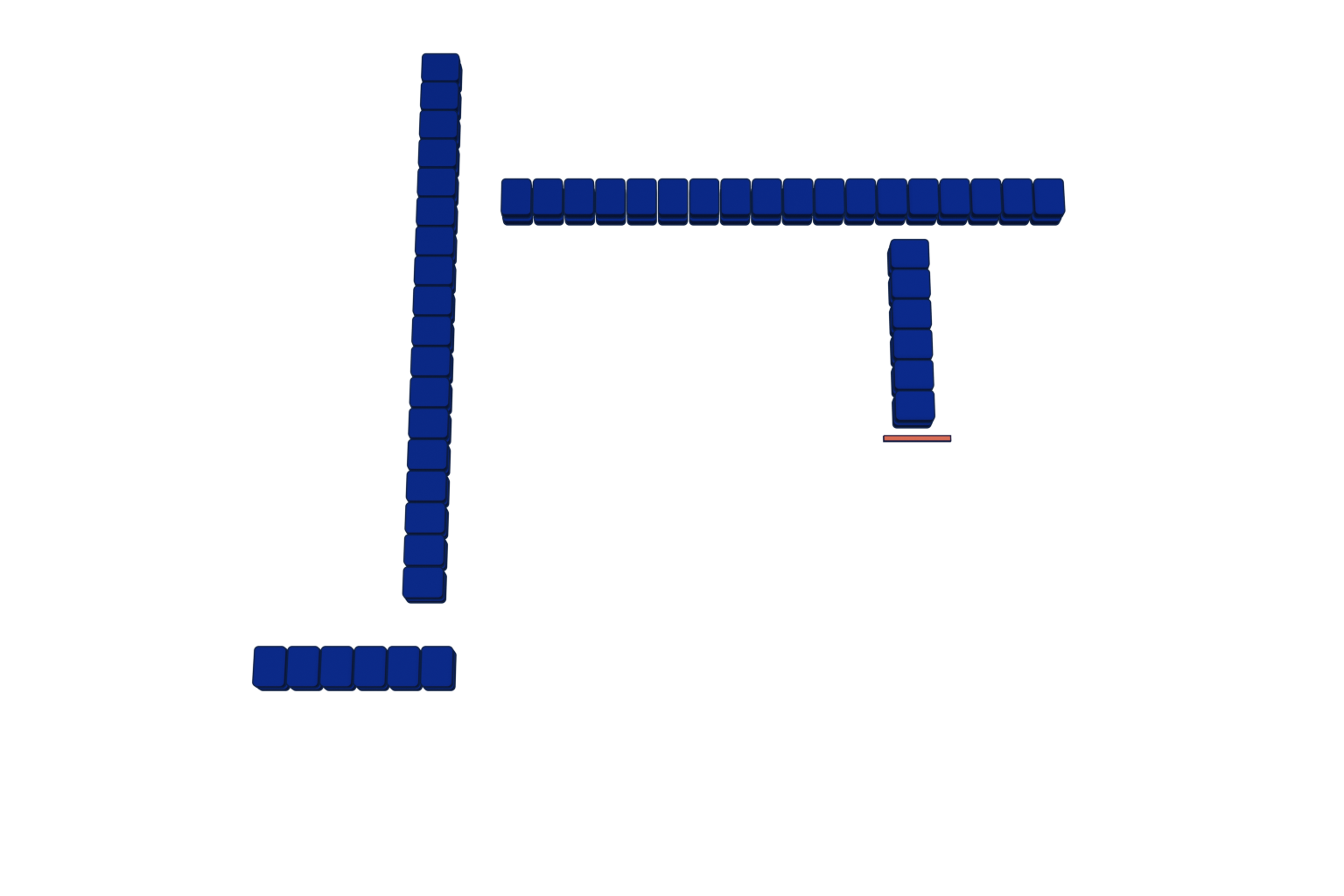
How do I claim another player’s discarded tile?
You may claim only the latest discarded tile, and you must do this before the next player takes their turn.
There are three ways to claim a discarded tile:
Keep your hidden tiles in front of you. Put any Chow, Pong, or Kong you claim face-up to your left.
Exposed groups
Your concealed hand
How do I Chow a discarded tile?
You may chow only the previous player’s discard — the player to your left. You cannot chow a discard from any other player. The discarded tile must complete three consecutive numbers in the same suit with two tiles already in your hand. You must expose the three-tile sequence beside your hand.
Can chow: You have Three and Five Dots. The discarded tile is Four Dots, so you can claim it to complete a sequence:
Your tiles
Discarded tile
You can form
Cannot chow: You have Three and Five Bamboos, but the discarded tile is Seven Bamboos. The tiles do not form three consecutive numbers, so you cannot claim the discard.
Your tiles
Discarded tile
No chow
Chow
Claim the immediately previous player's discard to make a three-tile sequence.
Mandarin · Simplified
吃 chī
Cantonese · Traditional
上 soeng5
How do I Pong a discarded tile?
You may Pong any player’s latest discard. The discarded tile must match a pair in your hand to form three identical tiles. You must expose the three-tile set beside your hand.
Can pong: You have two Six Dots. The discarded tile is another Six Dots, so you can claim it to complete a matching set:
Your tiles
Discarded tile
You can form
Cannot pong: You have two Seven Bamboos, but the discarded tile is an Eight Bamboo. It does not match your pair, so you cannot claim the discard.
Your tiles
Discarded tile
No pong
Pong
Claim any player's latest discard to complete three matching tiles.
Mandarin · Simplified
碰 pèng
Cantonese · Traditional
碰 pung3
How do I Kong a discarded tile?
A called Kong uses any player’s latest discard. The discarded tile must match three identical tiles in your hand to form four identical tiles. You must expose the four-tile set beside your hand.
Can Kong: You have three Six Dots. The discarded tile is another Six Dots, so you can claim it to form four identical tiles:
Your tiles
Discarded tile
You can form
Cannot Kong: You have three Seven Bamboos, but the discarded tile is an Eight Bamboo. It does not match your three tiles, so you cannot claim it.
Your tiles
Discarded tile
No kong
Kong
A declared set of four matching tiles followed by a replacement draw.
Mandarin · Simplified
杠 gàng
Cantonese · Traditional
槓 gong3
What if two people want the same discarded tile?
Use this priority order:
- Win beats every other claim. If the discarded tile completes your winning hand — even by completing a pong or chow — you may claim it from any player, not just the player to your left.
- Pong or called kong has priority over chow.
- Chow is the lowest priority.
Win
Declare that your hand is complete and legally wins the hand.
Mandarin · Simplified
胡牌 hú pái
Cantonese · Traditional
食糊 sik6 wu4
Self-draw
Win with the tile you draw yourself rather than a discard.
Mandarin · Simplified
自摸 zì mō
Cantonese · Traditional
自摸 zi6 mo2
What are concealed, promoted, and called kongs?
All three Kongs use four matching tiles. After declaring any Kong, draw a replacement tile from the wall tail before you discard.
- Concealed Kong: You have three matching tiles, then draw the fourth one yourself. Say “Kong” and set all four aside without showing the other players their faces.
- Promoted Kong: You already have an exposed Pong, then draw the fourth matching tile yourself. Add it to the Pong and say “Kong”; you cannot use a tile from your own discard.
- Called Kong: Another player discards the fourth matching tile while you hold the other three. Say “Kong,” take their discarded tile, and expose all four.
If the replacement is a Flower or Season, replace that too. Then continue your turn and discard.
Concealed kong
Draw the fourth matching tile yourself, then set all four aside without showing their faces.
Mandarin · Simplified
暗杠 àn gàng
Cantonese · Traditional
暗槓 am3 gong3
Promoted kong
Add a fourth matching tile you drew yourself to a Pong you already exposed.
Mandarin · Simplified
加杠 jiā gàng
Cantonese · Traditional
加槓 gaa1 gong3
Called kong
Take another player’s discard when you already hold the other three matching tiles.
Mandarin · Simplified
大明杠 dà míng gàng
Cantonese · Traditional
大明槓 daai6 ming4 gong3
What happens when I draw a Flower or Season?
Expose the bonus tile beside your hand, then draw its replacement from the wall tail. If the replacement is another Flower or Season, expose it and draw again. Once you receive a playing tile, continue the normal manage-and-discard steps.
Flower replacement
Expose a Flower or Season and replace it from the wall tail.
Mandarin · Simplified
补花 bǔ huā
Cantonese · Traditional
補花 bou2 faa1
What happens when the wall runs out?
If no tiles remain in the wall and nobody has won, the hand ends in a draw.